Navigating Cancer Care: Essential Insights and Resources for Patients and Caregivers
Navigating the complex world of cancer care can be a daunting journey for both patients and caregivers. As the brave warriors battling malignancies such as carcinoma or tumors, individuals find themselves at a crossroads where medical advice and personal advocacy intertwine. With a wealth of information available, how can one sift through the noise to find empowering insights that resonate with their unique circumstances? This guide aims to shed light on navigating treatment options effectively while advocating for oneself in the healthcare system.
When diagnosed with cancer, emotions can run high, leaving patients feeling overwhelmed and vulnerable. A pivotal moment in my friend Sarah's journey came when she realized that taking control of her health was not just about undergoing therapies like chemotherapy or radiation therapy; it was also about learning as much as she could. She often quoted, 'Knowledge is power,' and indeed it became her mantra—fueling her desire to participate actively in her disease management. How do you harness knowledge in the face of a life-altering diagnosis?
Research shows that understanding the disease can lead to better health outcomes. By engaging in health education and seeking resources like clinical trials, patients can discover new therapy options, including cutting-edge immunotherapy or alternative therapies. Have you ever thought about the possibilities that lie in the latest research advancements? By staying informed, like Sarah, you can transform your patient journey into an empowered experience, advocating not only for oneself but for others navigating similar paths. Consider tapping into cancer support groups where shared experiences ignite powerful conversations.
Moreover, illness prevention begins with preventive healthcare measures, such as early detection and lifestyle changes. Remember that adopting a nutritious diet can significantly impact your health, especially when faced with cancer statistics that highlight the importance of nutrition and cancer. When was the last time you evaluated your eating habits? Small but meaningful adjustments can enhance emotional health and well-being, creating a stronger foundation during arduous treatments. Empowering oneself comes in many forms, and nutrition should always be part of the conversation.
Lastly, as you embark on this journey, don't underestimate the value of community resources. Patient advocacy extends beyond just individual cases; it's about fostering change in the medical community, ensuring that patient voices are heard loud and clear. Engaging in cancer awareness campaigns not only amplifies your narrative but aids others facing similar battles. Are you ready to take the step towards empowerment and advocacy? Together, we can navigate the intricacies of cancer care, standing strong in our quest for health and wellness.
Understanding the Journey: From Diagnosis to Survivorship
Every journey begins with a single step, and for many, that first step on the path of cancer care comes with a harsh diagnosis. Whether it’s a carcinoma affecting your loved ones or a malignant tumor disrupting your own life, the experience can be overwhelming. As you navigate through the numerous pathways of healthcare, from oncology consultations to community resources, understanding the journey from diagnosis to survivorship becomes crucial. Ask yourself, how do we turn this difficult chapter into one of hope, healing, and empowerment?
As you delve into this landscape of disease management, you will soon discover that knowledge is a powerful tool. Understanding your specific type of cancer, be it carcinoma or another malignancy, arms you with the health info you need to make informed decisions. Research advancements in cancer treatment options—like therapies, chemotherapy, radiation therapy, and immunotherapy—are continually evolving. This brings us to an important question: are we leveraging that information effectively to create the best survival strategies?
Finding emotional health and well-being during such challenging times requires not just the right scientific advice, but a compassionate approach. You can turn to support groups where shared experiences allow for authentic conversations about what living with cancer really entails. These gatherings transform patient journeys into communal stories filled with hope and resilience. Remember, you're not alone on this path; it's a shared journey, and you can advocate for yourself and others while you seek patient education and empowerment.
Incorporating lifestyle changes can significantly affect your battle against cancer. Nutrition and cancer have a profound relationship; what you consume can either bolster your treatment or impede it. Engaging with alternative therapies and focusing on preventive healthcare and illness prevention offers another layer of defense. Are you making the necessary lifestyle adjustments that promote not only longevity but a better quality of life? Remember, small changes can lead to monumental impacts.
Ultimately, survivorship is not just about surviving cancer; it's about thriving post-treatment. Your journey through clinical trials, healthcare planning, and patient advocacy can shape your story into one of inspiration rather than despair. Tap into cancer resources that offer insights into health updates and community support to ensure you remain engaged and informed throughout your experience. As you reflect on how far you've come, consider this: how can you use your journey to inspire others facing their cancer battles? Engage with health blogs or join cancer awareness campaigns to spread your message of hope.
Building a Support Network: Resources for Patients and Caregivers
Navigating the tumultuous waters of cancer care is no small feat, both for patients and their caregivers. Being diagnosed with a malignancy is often overwhelming, creating a wave of emotions ranging from fear to confusion. But one vital key to alleviating this burden is building a robust support network. As they say, 'It takes a village'—and this couldn’t be truer when it comes to cancer journeys. How can this network of support play a crucial role in illness prevention and disease management? Let’s explore this together.
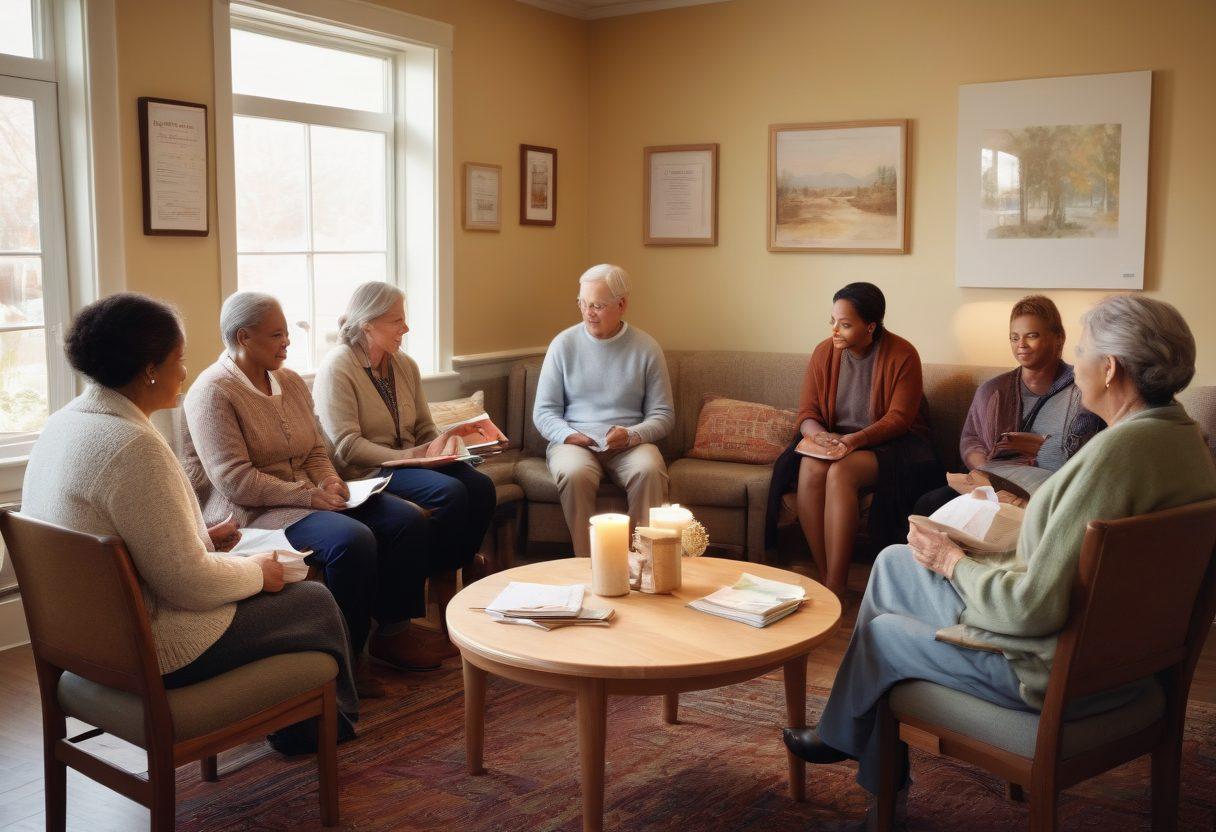
The healthcare landscape can often feel like navigating a maze with its complex terminology, treatment options, and myriad therapies, including chemotherapy and immunotherapy. Patients and caregivers alike may find solace in knowing they are not alone on this journey. Engaging with support groups can provide an invaluable platform for sharing experiences, advice, and emotional health tips tailored specifically to their needs. Picture yourself in a room filled with people who understand your struggles—wouldn't it feel like lifting a weight off your shoulders?
One of the most empowering steps in this journey is seeking out resources that place patients in control of their health and well-being. From health info and cancer resources to health blogs and community resources, there is a wealth of knowledge available. For instance, numerous organizations focus on early detection and screening for cancers like carcinoma, educating patients about risk factors, preventive healthcare, and lifestyle changes. Have you explored local organizations that align with your cancer treatment path? These resources not only provide technical information about treatment options but also foster a sense of community and shared understanding.
Moreover, staying informed about current research advancements and clinical trials is vital. The medical community is constantly evolving in the fight against tumor growth. By keeping up-to-date on the latest health updates, patients can discuss emerging therapies with their healthcare providers. A well-informed patient is an empowered patient. Have you discussed participating in a clinical trial with your oncologist, or are you aware of the alternative therapies that could complement conventional treatments like radiation therapy?
Finally, never underestimate the power of advocacy. Survivor stories and patient journeys highlight not just the struggle, but also the strength it takes to overcome. Joining cancer awareness campaigns and advocating for better support can significantly impact not only your life but the lives of countless others. Remember, these journeys are not just personal; they serve a greater purpose. So, go ahead—create that support network, share your story, and empower others. After all, we are stronger together in this battle against cancer.